
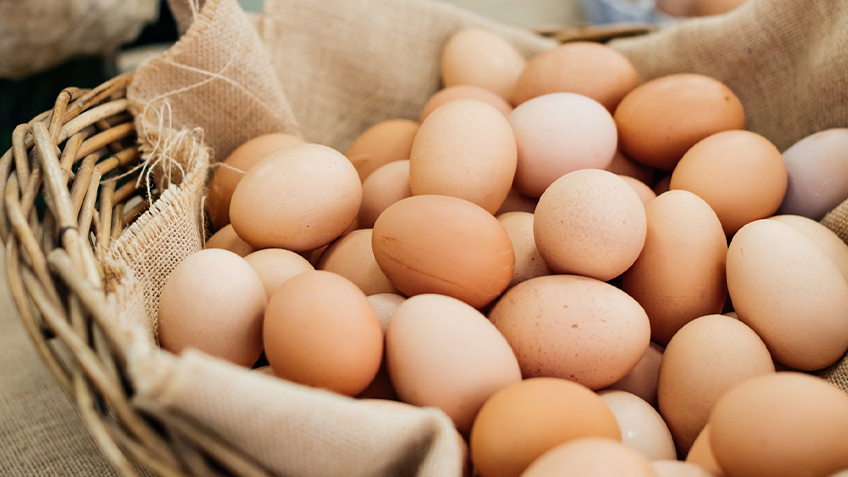
Walk into any grocery store, and you’ll see eggs labeled in every possible way. Free range. Cage-free. Organic. Brown. White. And then there’s the one that usually costs more: organic pasture raised eggs.
So naturally, people stop and wonder… are they actually better, or just better marketing?
Short answer? Yeah, they can be better. But not always in the way people assume. And definitely not in a simple black-and-white kind of way.
Let’s break it down properly, without the fluff.
What Is Pasture Raised Eggs, Really?
We must first clear this up before we can speak of health, and labels get mixed up easily.
People want to know what pastured raised eggs are; they are essentially questioning how those chickens live.
“Pasture raised eggs” refers to having chickens on the actual pasture. Not a tiny patch. Not a concrete yard. Real grass, insects, sunshine, and room. They forage naturally. Peck around. Act as chickens should.
Compare it to the average free-range egg. Sounds good, right? Nevertheless, in most instances, free-range only implies that the chickens can go outside. This does not imply that they are using it or that the space is significant.
That is what “pasture raised” is different about. It is not ideal, but it is more in line with the life of a chicken.
And well, that is reflected in the eggs.
Why People Care About Organic Pasture Raised Eggs
It’s not just about being trendy or “clean eating.” There’s a real shift happening where people want food that’s… well, actual food.
Pasture raised organic eggs hit that sweet spot for a few reasons:
- Chickens eat a more natural diet (not just feed, but insects, plants, etc.)
- They move more, which affects their overall health
- There’s less stress involved in how they’re raised
- Many farms avoid unnecessary antibiotics or chemicals
That combination matters more than people think. Because an egg is only as good as the chicken that laid it. Sounds obvious, but we forget it.
Are They Actually Healthier?
Here’s the part most people care about.
Yes, eggs pasture raised often come with better nutritional value compared to standard supermarket eggs. Not wildly different, but noticeable enough.
You’ll typically find:
- Higher omega-3 fatty acids
- More vitamin D (because sunlight matters)
- Slightly richer yolks with more nutrients
- Better fat profile overall
And honestly, you can see the difference sometimes. Crack open a farm-fresh egg, and the yolk is deeper, almost orange. It looks… alive. Not pale and dull.
Now, does that mean regular eggs are bad? No. Not at all. But if you’re trying to eat cleaner, more nutrient-dense food, pasture raised eggs do have an edge.
Taste Is Where It Gets Real
Let’s forget nutrition for a second.
Taste alone is enough to convince a lot of people.
Farm eggs just hit different. Scrambled, fried, or boiled, it doesn’t matter. There’s more flavor. More richness. Even the texture feels better.
If you’ve ever had eggs straight from a local farm, you already know. It’s hard to go back after that.
And that’s kind of the point. Food should taste like something.
Not All Pasture Raised Eggs Are Equal
Here’s where people get caught.
Just because a carton says “pasture-raised” doesn’t mean it’s automatically top quality. Some brands stretch the definition. Some farms do the bare minimum.
So what should you look for?
- Smaller farms or local sources, when possible
- Transparency about how chickens are raised
- No vague claims; clear labeling matters
- A farm you can actually trust
This is where places like Blessings Ranch stand out. They’re not just selling eggs. They’re raising Pasture-Raised Chickens properly, on open land, with real care.
That difference isn’t marketing. It’s visible in the product.
If you want to see what real farm-fresh quality looks like, check out Blessings Ranch.
The Cost Question
Let’s not ignore it.
Pasture-raised eggs cost more. Sometimes noticeably more.
And for some families, that’s a deal-breaker. Totally fair.
But here’s another way to look at it.
You’re not just paying for eggs. You’re paying for:
- Better animal welfare
- Higher-quality nutrition
- More natural farming practices
- Food that actually tastes good
So it becomes less about “cheap vs. expensive” and more about “value vs. convenience.”
Some people switch fully. Others just upgrade occasionally. Both approaches are fine.
How They Fit Into Real Life
You don’t need to overhaul your entire diet overnight.
Start simple.
Use pasture raised eggs where it matters most: breakfast, baking, and meals where eggs are the star. That’s where you’ll notice the difference.
And if you’re feeding a family, especially kids, it’s a pretty easy upgrade. Eggs are already a staple. Might as well make them better.
Why Local Farms Matter More Than Big Labels
There’s something about people slowly coming back to buying local.
Not because it’s trendy. Because it makes sense.
At farms like Blessings Ranch, you’re getting:
- Fresh eggs, not weeks old
- Transparency in how food is raised
- A direct connection to where your food comes from
- Products beyond eggs: grass-fed beef, raw honey, dairy
It’s a whole system, not just one product.
And yeah, that changes how you think about food over time.
So… Are Pasture Raised Eggs Worth It?
If you care about:
- Nutrition
- Taste
- Animal welfare
- Supporting better farming
Then yes, they’re worth it.
If you’re just grabbing whatever’s cheapest and convenient, then maybe not. And that’s okay too.
But once you try good eggs, real ones, it’s hard to ignore the difference.
Not dramatic. Not life-changing. Just… better.
And sometimes that’s enough.
Final Word
You don’t need a lecture to eat better. You just need better food.
Start small. Try real eggs. Taste the difference. See how it fits into your routine.
And in case you want a trustworthy source that does not lie about all that it claims, go to a farm that practices it.
Go to Blessings Ranch, a trusted farm store in Houston, and experience the difference that fresh, locally raised food can make.
There is no going back because once you have eggs the way they are supposed to be, you realize it.
FAQs
What’s the difference between pasture raised and free range eggs?
The major difference between the organic pasture raised eggs and the free-range eggs is narrowed down to the space and the livelihood. The amount of outdoor freedom given to free-range chickens may not be much compared to pasture raised chickens, which are put in an open space where they are free to roam, forage, and do as they would in their natural environment. That generally helps in enhancing the quality of the egg.
What does it mean to have pasture raised eggs?
“Pasture raised eggs” refer to eggs of chickens that are raised spending most of the time in the pasture. They not only feed but also eat a natural diet (comprised of bugs and plants). The environment will produce healthier birds, and this possibly will result in more nutritious and tastier eggs than usual.
What is the healthiest egg to eat?
Organic eggs that are reared in pastures tend to have better nutrient composition than any other eggs, so they are the healthiest. They tend to contain omega-3s, vitamin D, and antioxidants. With that said, though, it is the overall diet, not a specific food, that is important; eggs have to be a part of a healthy eating routine and not on their own.
What are the negative effects of the pasture raised eggs?
The most significant drawback is the price since the pasture raised eggs are expensive compared to the conventional ones. It may not be found everywhere, either. And all labels are not equal, and you have to rely on your source. However, one can justify the cost by the quality of most individuals.